PEACE & LOVE
Soft tissue injuries, such as sprains, strains, are incredibly common, whether you’re an athlete getting ready for your next marathon, a parent juggling three kids to cross the road or simply mis-stepped off a curb.
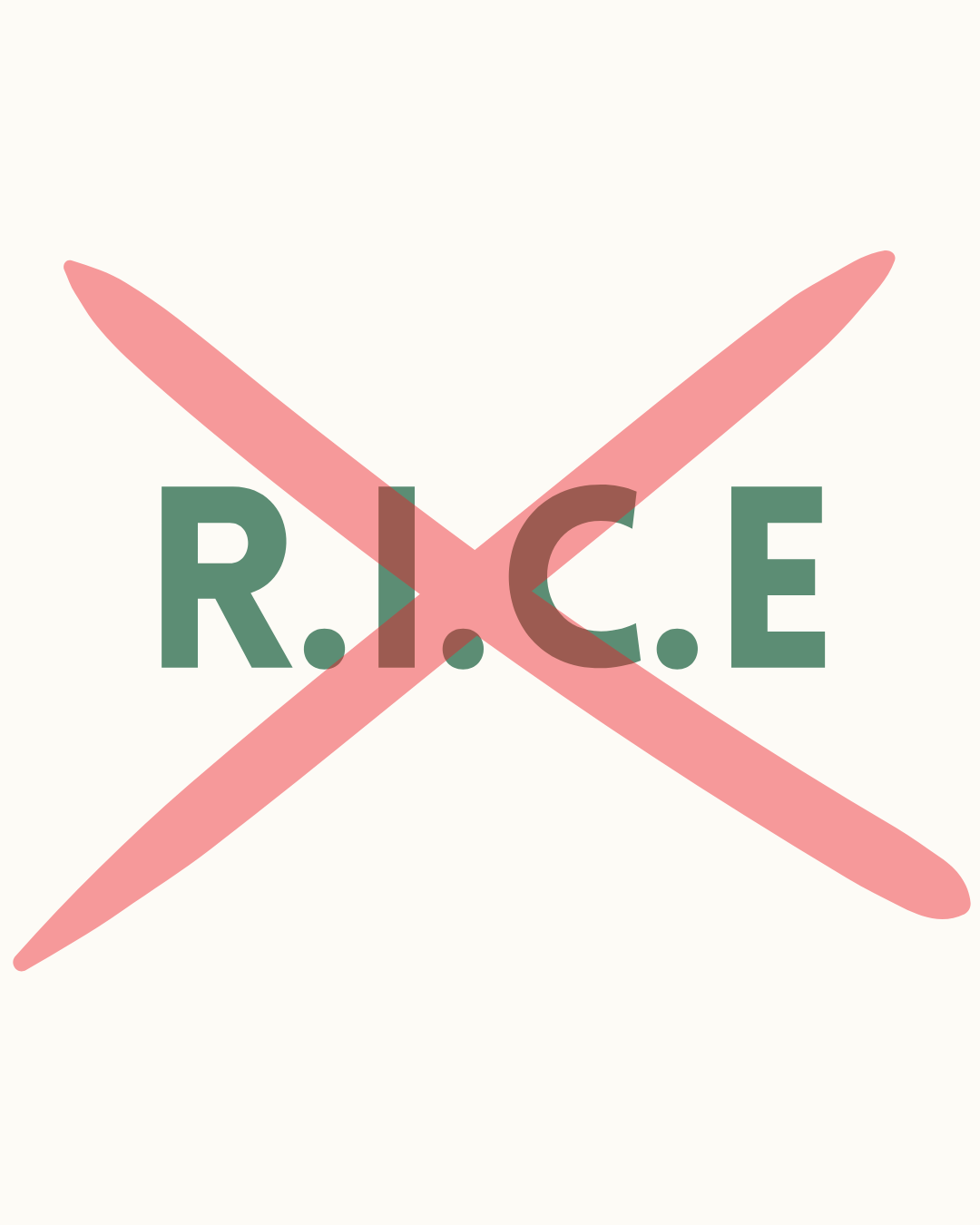
Historically, the standard first-aid advice was RICE: Rest, Ice, Compression, Elevation.
But as research has evolved, so has our understanding of how tissues heal.
Today, clinicians are shifting toward a more comprehensive, long-term approach:
PEACE & LOVE.
Below explores what this new acronym means and why it has replaced RICE as the gold standard in modern injury management.
Why RICE Is No Longer Enough
RICE was introduced in the late 1970s and quickly became universal advice. While it offered a simple framework for early injury care, newer evidence shows that:
· Rest alone may delay recovery by reducing tissue capacity and strength.
· Ice can provide temporary pain relief but may slow the natural inflammatory processes your body uses to repair damaged tissue.
· Compression and elevation can still help, but they don’t address the bigger picture of optimal recovery.
In short, RICE focuses mainly on short-term symptom relief and not long-term healing or functional recovery.
......
This is why we now recommend a more holistic, evidence-informed model: PEACE & LOVE.
Introducing PEACE & LOVE
These principles guide both the immediate and ongoing management of soft tissue injuries, focusing on reducing harm first and then promoting healthy tissue adaptation.
P.E.A.C.E.
For the First 1–3 Days After Injury
P – Protect
- Limit painful movements and load during the first few days to avoid aggravating the injury.
- This doesn’t mean total rest – prolonged rest compromises tissue strength and quality.
E – Elevate
- Raise the injured limb above the heart when possible.
- This can help reduce excessive swelling early on.
A – Avoid Anti-Inflammatories
- This often surprises people.
- Inflammation is a necessary part of healing. NSAIDs may reduce pain, but they can also delay tissue repair if overused.
C – Compress
- Use elastic bandages or wraps to help control excessive swelling.
- This provides comfort and support without fully immobilising the area – allow the full range of movement at the joint
E – Educate
- Perhaps the most important part!

- Healthcare professionals now emphasize education: reassuring patients, avoiding unnecessary imaging, and promoting active recovery strategies. Book in with one of the physiotherapists at Refresh and we can help you identify the necessary pathway for your injury, give you guidance and confidence in your active recovery journey.
L.O.V.E.
For the Days and Weeks That Follow
L – Load
- Gradually reintroduce movement and strength through pain-guided activity. Trust in your body, it will tell you when it is safe to increase load.
- Mechanical loading helps collagen fibres realign and tissues get stronger.
O – Optimism
- Recovery is not just physical, your mindset matters!
- Positive expectations can reduce pain perception and improve healing outcomes.
- Stay realistic, but being optimistic can improve the chances of an optimal recovery.
V – Vascularisation
- Engage in pain-free cardiovascular exercise early.
- Boosting blood flow improves healing and keeps you active.
- Early mobilisation is shown to improve function, work status and can even reduce the need for pain medication.

E – Exercise
- Targeted exercises restore mobility, strength, and function by adopting an active approach to your recovery.
- Use pain as a guide for exercise progressions
- A guided rehab program helps prevent re-injury and supports a full return to activity.
The Big Takeaway
Managing soft tissue injuries isn’t just about short-term relief, it’s about setting the stage for optimal, long-lasting recovery.
PEACE & LOVE offers a modern, research-informed framework that respects the body’s natural healing processes while emphasising education, movement, and resilience.
So next time you roll an ankle or pull a muscle, skip the old RICE mentality.